Introduction
A single update can change how a model feels in real use, and the January 2026 refresh of veo 3.1 features is a perfect example. These updates center on ingredients-based image guidance, native vertical output, richer storytelling, and a big headline for creators who care about clarity: 1080p and 4K upscaling. The result is a model that is easier to control, easier to aim at mobile formats, and much more viable for professional-quality output.
This guide explains what changed, what the veo 3.1 features mean in practice, and where you can actually access each release. If you want to experiment while you read, you can try a prompt here: Generate a video. The benefits are easiest to understand when you see the results yourself, and veo 3.1 features become clearer with hands-on testing. If you are scanning for veo 3.1 features, the sections below keep it simple and practical. This is a focused overview of veo 3.1 features, not a technical deep dive.
The January 13, 2026 Update
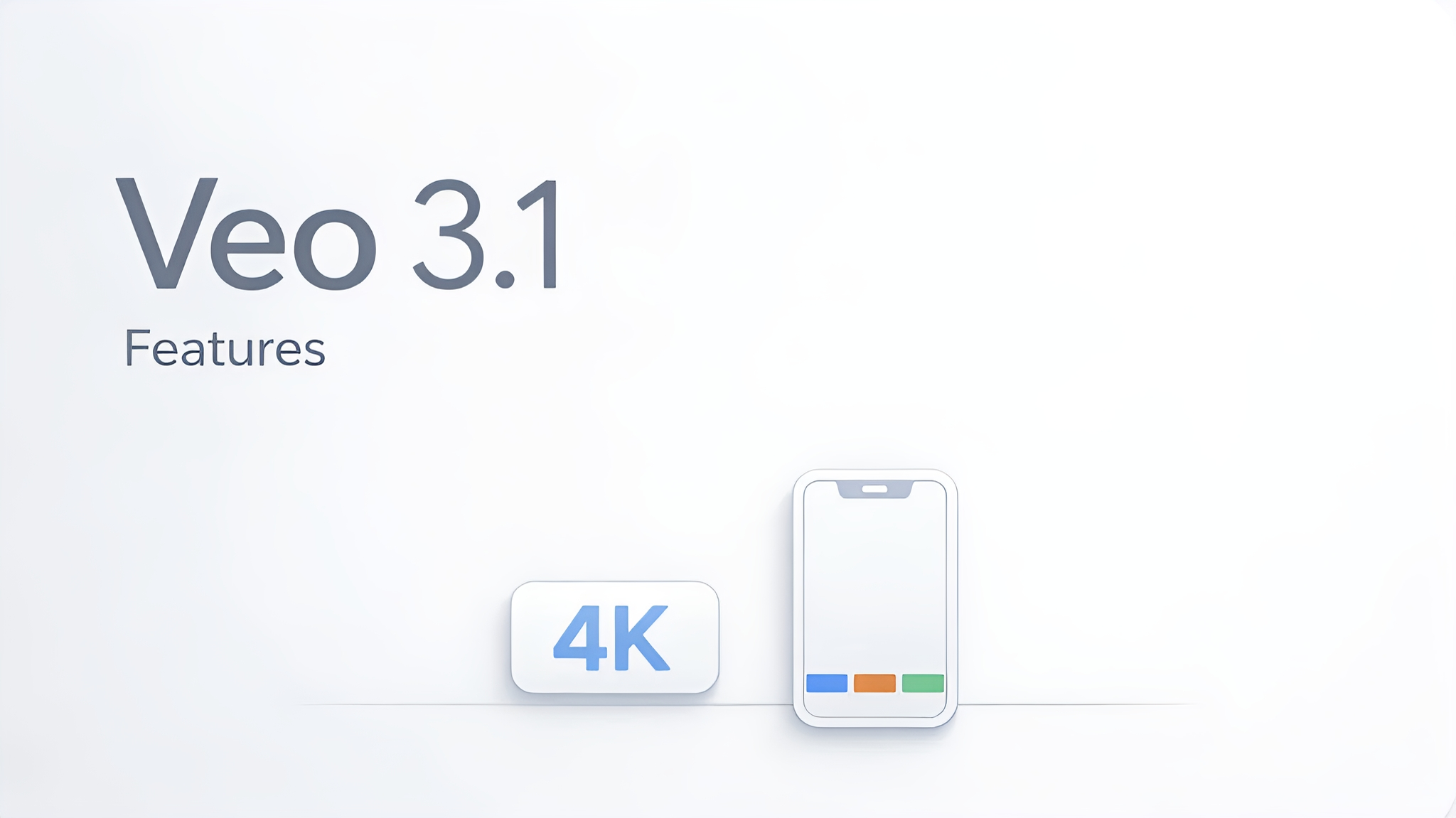
On January 13, 2026, Google announced an update titled “Veo 3.1 Ingredients to Video,” and the message was clear: the model now generates more expressive, consistent, and mobile-friendly clips based on ingredient images. The update highlights three major veo 3.1 features additions: improved Ingredients to Video results, native vertical (9:16) outputs, and state-of-the-art upscaling to 1080p and 4K. Google also notes that these additions are launching across products like the Gemini app, YouTube Shorts, Flow, Google Vids, the Gemini API, and Vertex AI.
If you want the short version, the latest veo 3.1 features mean better consistency across scenes, vertical clips without cropping, and higher-fidelity video for serious production workflows. They also make it simpler to move from drafts to shareable clips, which is why veo 3.1 features matter for everyday creators.
Veo 3.1 Features: Ingredients to Video for Image-to-Video Control
“Ingredients to Video” is now a central part of the veo 3.1 features story. Google describes this capability as a way to generate videos based on ingredient images, with improvements aimed at more expressive motion, richer storytelling, and stronger consistency. The update specifically calls out character identity consistency and the ability to keep backgrounds and objects stable across scenes. That means fewer sudden changes to faces, props, or environments when you generate multiple clips.
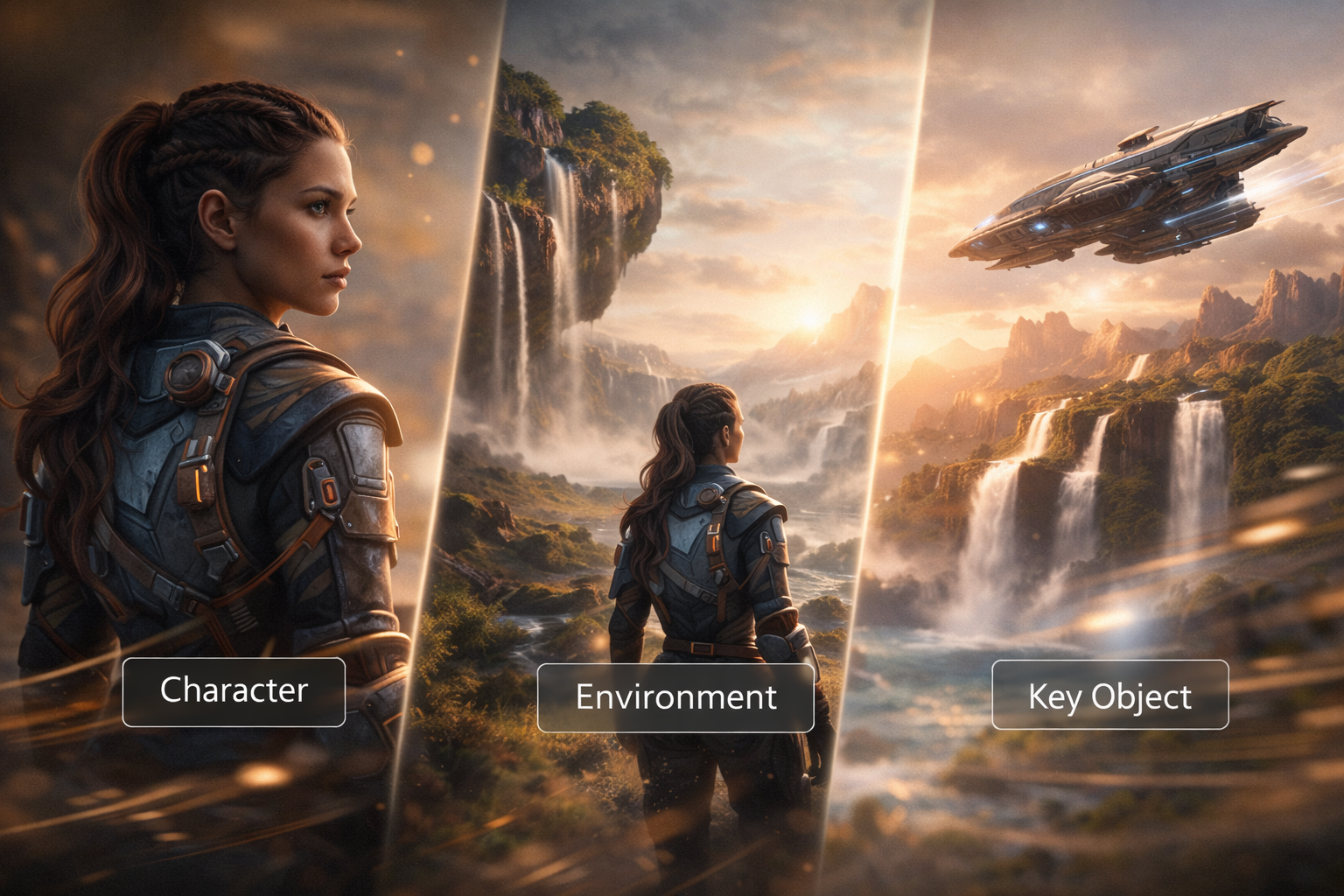
In practical terms, these features let you supply reference images for your character, your environment, and even key textures or objects. The model then blends those visual ingredients into a coherent clip. This is the fastest way to keep a campaign or narrative visually cohesive without having to re-roll a prompt over and over, which is why the veo 3.1 features update is so valuable for real projects and why veo 3.1 features are often cited in creator workflows.
If you are creating product shots, brand stories, or a short series of clips, Ingredients to Video is the upgrade that turns Veo 3.1 from a toy into a tool. Start with two or three solid references and keep your text prompt simple: subject, action, and mood. This is one of the veo 3.1 features that delivers the biggest jump in consistency.
Veo 3.1 Features: Native Vertical Output for Mobile-First Content
The update also adds native 9:16 portrait output for Ingredients to Video, and this is one of the most practical veo 3.1 features for mobile-first content. Instead of generating a horizontal video and cropping it to fit Shorts or Reels, you can now create full-frame vertical clips directly.
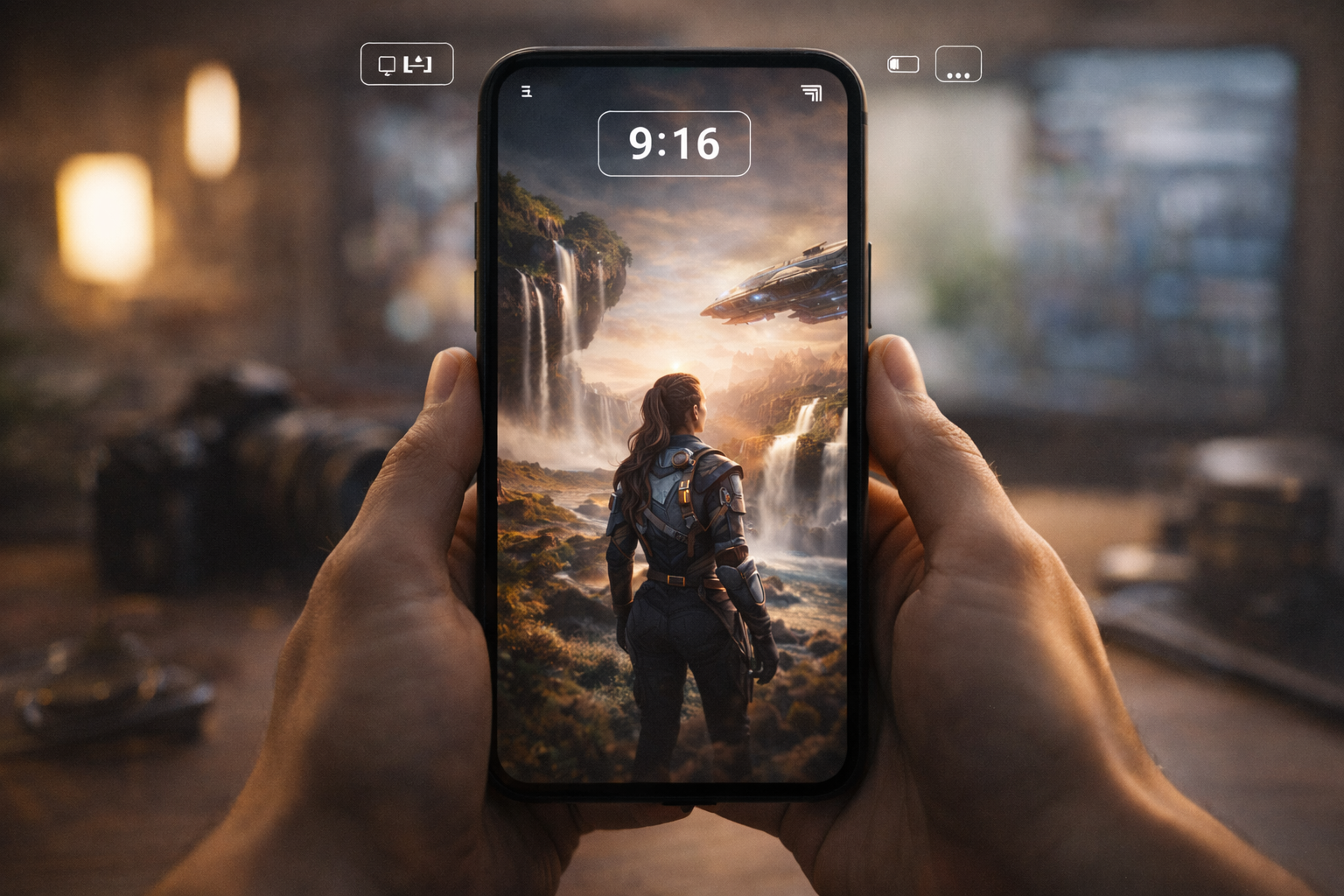
Google explicitly notes that the updated Ingredients to Video supports portrait mode (9:16). This makes it easier to build vertical stories that feel composed for the screen they will actually appear on. It is a subtle change, but it saves time and preserves quality. If your audience primarily watches on phones, native vertical output is one of the most practical veo 3.1 features in day-to-day work. For mobile creators, this is one of the veo 3.1 features that delivers instant value.
Want to try it? Use a vertical reference image and a single sentence prompt describing motion, then compare the result with a cropped horizontal version. You can start a quick test here: Create a vertical clip.
Veo 3.1 Features: 4K Upscaling for Production Quality
The headline most people remember is 4K, and it sits at the center of the newest veo 3.1 features update. Google’s January announcement says Veo 3.1 now supports state-of-the-art upscaling to 1080p and 4K, targeting higher-fidelity production workflows. That is a major improvement for anyone who needs clean detail for editing, a crisp hero shot, or footage that holds up on large screens. If 4K is your focus, this part of the veo 3.1 features update is the key upgrade to track.
There is an important availability note inside the veo 3.1 features update: Google states that 1080p and 4K upscaling are available in Flow, the Gemini API, and Vertex AI. In other words, you can explore Veo 3.1 in the Gemini app, but the highest-resolution output is aimed at professional or developer workflows that want the full feature set.
For everyday creators, that means 4K is now on the roadmap for real work — but you should plan the right pathway if resolution is a hard requirement. If 4K is critical, prioritize Flow or an API-based pipeline that exposes the tools you need, since that is where veo 3.1 features reach their highest fidelity.
Veo 3.1 Features: Audio and Storytelling Improvements Continue
Veo 3.1 already stood out because it can generate video and audio together, and the latest veo 3.1 features update reinforces that strength. Google’s update highlights richer dialogue and storytelling in ingredient-based clips, and the official prompting guide notes that Ingredients to Video now includes audio generation, which keeps the experience aligned with real storytelling workflows.
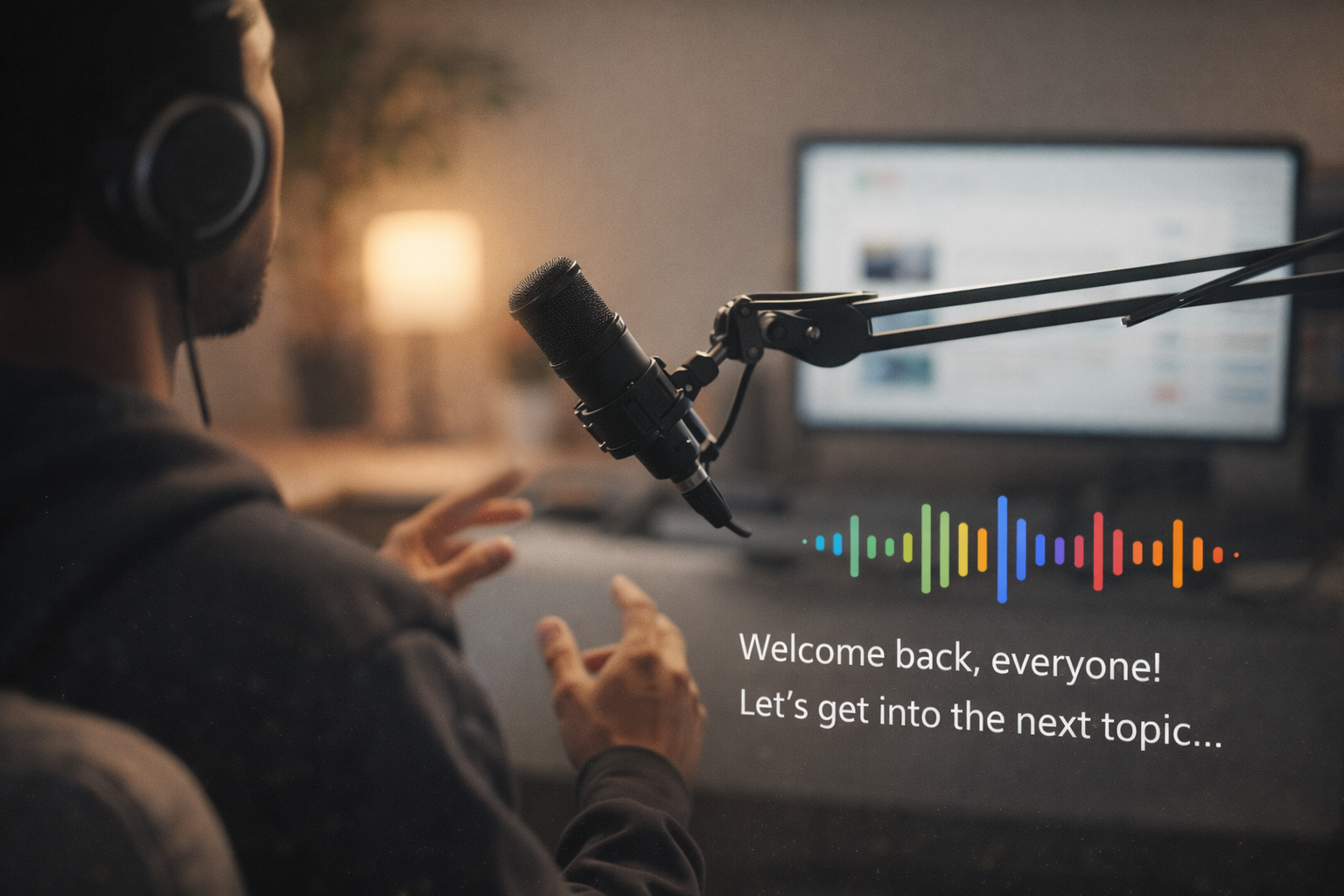
That means you can describe sound directly in your prompt instead of adding it later. It is especially useful for short narrative clips: a line of dialogue, footsteps in a hallway, or a bit of ambient street noise can now be baked into the first draft. In day-to-day workflows, this saves time and makes early drafts feel closer to the final product, which is another reason veo 3.1 features stand out.
Where You Can Use Veo 3.1 Features Right Now
Availability varies by surface:
- Gemini app: Google promotes Veo 3.1 as a way to create high-quality 8-second videos with sound, and it supports turning a photo into a video. Access depends on your Google AI plan (Pro or Ultra), and these veo 3.1 features are oriented toward fast creation.
- Gemini API and Vertex AI: Recent updates bring enhanced Ingredients to Video, native vertical output, and 4K/1080p upscaling for production workflows. This is where the most advanced veo 3.1 features are used in production.
- YouTube and creation tools: The January update highlights availability in YouTube Shorts, the YouTube Create app, Flow, and Google Vids, showing how veo 3.1 features flow into creator platforms.
Want to try veo 3.1 features or explore 4K-ready output quickly? Start here: Create a Veo 3.1 AI video.
Simple Prompting Tips That Match the Veo 3.1 Features
You do not need technical language to get good results with veo 3.1 features. Google’s prompting guide suggests a simple structure: camera, subject, action, context, and style. In plain terms, that means: how it looks, what it is, what it does, where it is, and what mood you want. With this model, clarity beats complexity, and veo 3.1 features respond best to direct language.
A few easy habits help a lot:
- Lead with the subject and action. “A barista pours latte art” is clearer than “coffee scene.”
- Add one camera cue. “Close-up” or “slow pan” is enough.
- Use everyday mood words. “Warm morning light” or “stormy and tense” is more useful than vague adjectives.
- If consistency matters, rely on Ingredients to Video with strong references and a short prompt. These small choices help veo 3.1 features interpret your intent without extra complexity.
Final Takeaway
The January 13, 2026 update made veo 3.1 features more practical and production-ready. Ingredients to Video now offers better consistency and expressiveness, native vertical output supports mobile-first storytelling, and 4K upscaling brings real professional clarity where it is available. Add native audio and improved dialogue, and the current set becomes a serious creative tool rather than a novelty built on hype about veo 3.1 features. In short, the January release makes veo 3.1 features far more usable for real-world content.
If you are ready to create, start here: Create a Veo 3.1 AI video. The upgrade is most obvious in real outputs, and veo 3.1 features are easiest to judge when you see the clips yourself.